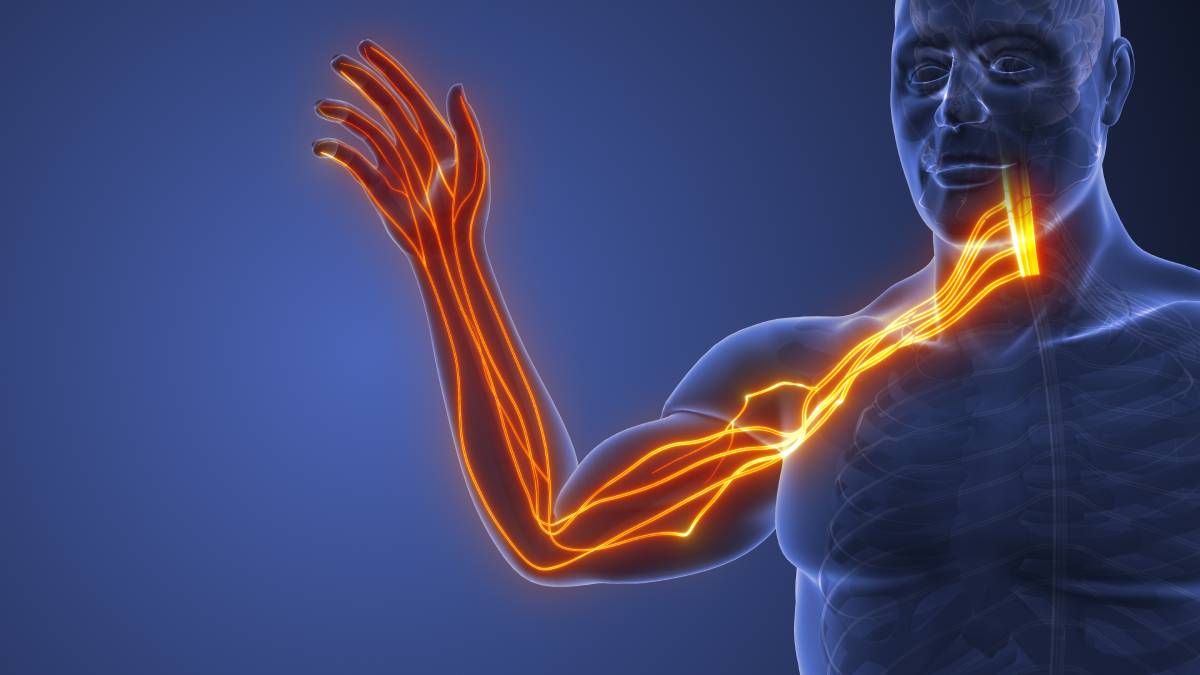
Rebound pain after peripheral nerve block occurs when the block wears off and a patient experiences pain that feels more intense than what is expected from the underlying surgical injury alone. A peripheral nerve block temporarily interrupts nerve transmission to provide pain relief during and after a surgery. Paradoxically, once the block ceases, some patients experience a surge in pain—often described as sharp, throbbing, or disproportionately severe—known as rebound pain. Although it does not occur in all patients, rebound pain after a peripheral nerve block can influence a patient’s overall satisfaction with surgery, shape early recovery, and affect how much opioid medication is needed in the early postoperative period.
Although rebound pain is not yet fully understood, several theories help explain its development. One idea is that the sudden transition from numbness to full sensation creates a stark contrast that makes normal postoperative pain feel amplified. Instead of gradually increasing, sensation can return quickly after a nerve block, sometimes over the course of an hour. Another proposed mechanism involves temporary changes in nerve excitability.
When nerves emerge from local anesthetic exposure, they may briefly “overshoot” their usual responsiveness, contributing to an exaggerated pain perception. There is also evidence suggesting that patients who undergo procedures known to cause substantial soft-tissue inflammation—such as shoulder, ankle, or knee surgeries—may be more susceptible simply because the underlying pain burden is already high once the block dissipates.
Regardless of the cause, rebound pain after peripheral nerve block tends to follow a recognizable pattern. Many patients feel little to nothing for 8 to 18 hours after surgery, depending on the block. As sensation returns, pain intensity often escalates quickly, peaking within the first hour and gradually easing over the next several hours. This spike can be distressing, particularly for individuals who assumed the block had “cured” the pain altogether. Importantly, rebound pain does not signal nerve damage or a complication of the block itself. Instead, it reflects how the nervous system re-engages with postoperative inflammation and tissue injury.
Because rebound pain can be anticipated, clinicians often focus on strategies to soften its impact. One widely used approach is preemptive oral pain control. Patients are encouraged to begin taking scheduled non-opioid medications—such as acetaminophen or nonsteroidal anti-inflammatory drugs—before the block wears off, even if they feel comfortable at that moment. By establishing a steady level of analgesia in advance, the eventual return of sensation is less abrupt. For operations associated with higher levels of discomfort, a short course of opioids may be appropriate, though these are usually reserved for breakthrough pain rather than routine use.
Researchers have also explored whether adjusting the peripheral nerve block itself can help reduce rebound pain. Long-acting local anesthetics and additives such as dexamethasone may extend block duration and lead to a more gradual offset. In some cases, continuous nerve block catheters, which deliver local anesthetic for one to three days, provide a smoother transition and reduce the intensity of rebound pain. However, these techniques are not necessary for every patient and depend on surgical type, patient preference, and anesthesiologist judgment.
For most people, rebound pain is temporary and manageable with proper planning. Understanding that a nerve block does not eliminate postoperative pain but postpones its onset can help set realistic expectations. When patients are prepared with appropriate medications, clear instructions, and reassurance, the brief surge of discomfort that may accompany block resolution becomes far less disruptive. Ultimately, as research continues to clarify why rebound pain occurs and how best to prevent it, both clinicians and patients can work together to ensure that the benefits of peripheral nerve blocks—improved pain control, reduced opioid use, and smoother recovery—are preserved without unexpected surprises.